Every fur coat, bauble, and piece of trim, whether it originated from a wild animal or one kept on a fur farm, inflicted excruciating pain to the animal and ended its life. About 100 million animals are murdered annually for their fur.
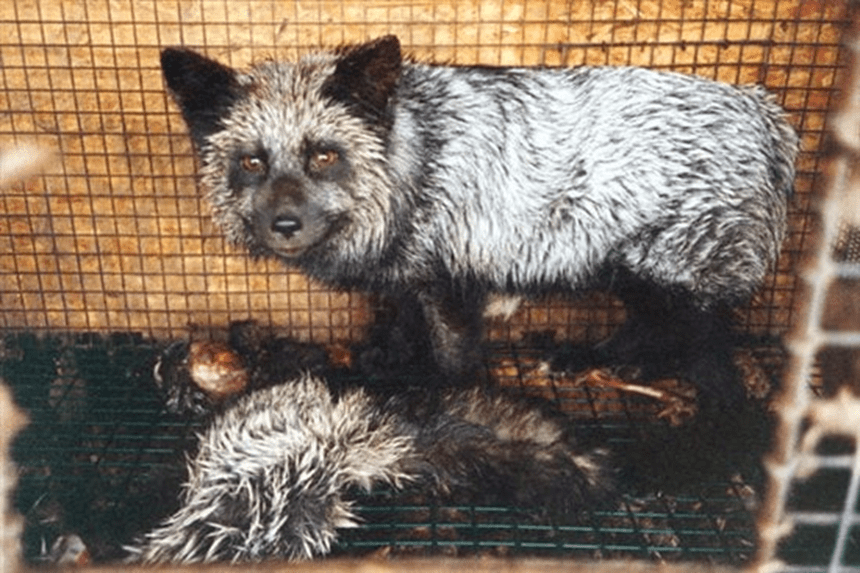
‘The entire life of an animal raised for fur is spent in small, unclean metal cages. The most inexpensive and brutal methods of execution, such as gas, poisoning,
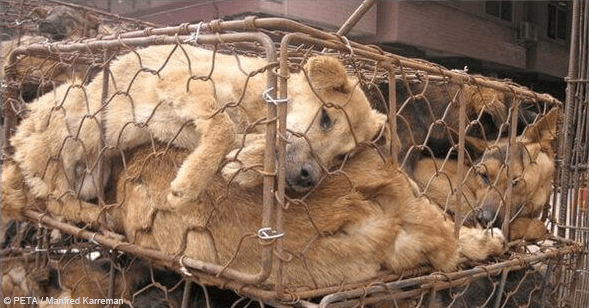
electrocution, and suffocation, are employed by fur farmers. China provides most of the fur imported into the United States; millions of dogs and cats there are
frequently skinned alive, hanged, beaten, and bled to death for their fur. Since Chinese fur is frequently purposefully mislabeled, it is impossible to determine who’s skin you are wearing if you wear any fur at all.’
When an animal becomes stranded in the wild, it may suffer from shock, thirst, frostbite, gangrene, blood loss, and predator assaults for several days. They could fall into one of three types of traps: water-set, which leaves beavers, muskrats, and other animals struggling for more than nine agonizing minutes before drowning; Conibear, which crushes their necks with 90 pounds of pressure per square inch; or steel-jaw, which slams down on their legs, often cutting to the bone.
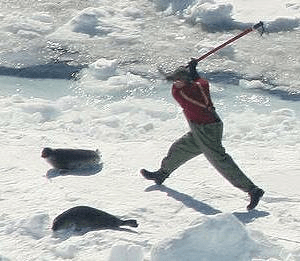
Tens of thousands of juvenile harp seals are shot or brutally bludgeoned with clubs that are tipped with metal hooks during the yearly seal slaughter in Canada. In Canada, black bears are either shot at close range or trapped and subjected to days of suffering in order to extract their skins for use in the ceremonial hats worn by Queen Elizabeth II’s Five Guards Regiments.
Fortunately, maintaining your cool and staying warm don’t require being harsh. All throughout the world, faux furs and cruelty-free textiles are sold in stores, and PETA keeps pushing apparel designers and retailers to use and carry only animal-friendly textiles.
Sign PETA’s fur-free pledge today to show your support for ending animal suffering! Please see petition here.
Fur Trapping.
Millions of raccoons, coyotes, wolves, bobcats, opossums, nutria, beavers, otters, and other fur-bearing animals are killed annually by trappers for the clothing business, despite the fact that the majority of animals killed for their fur are grown on infamously harsh fur farms.
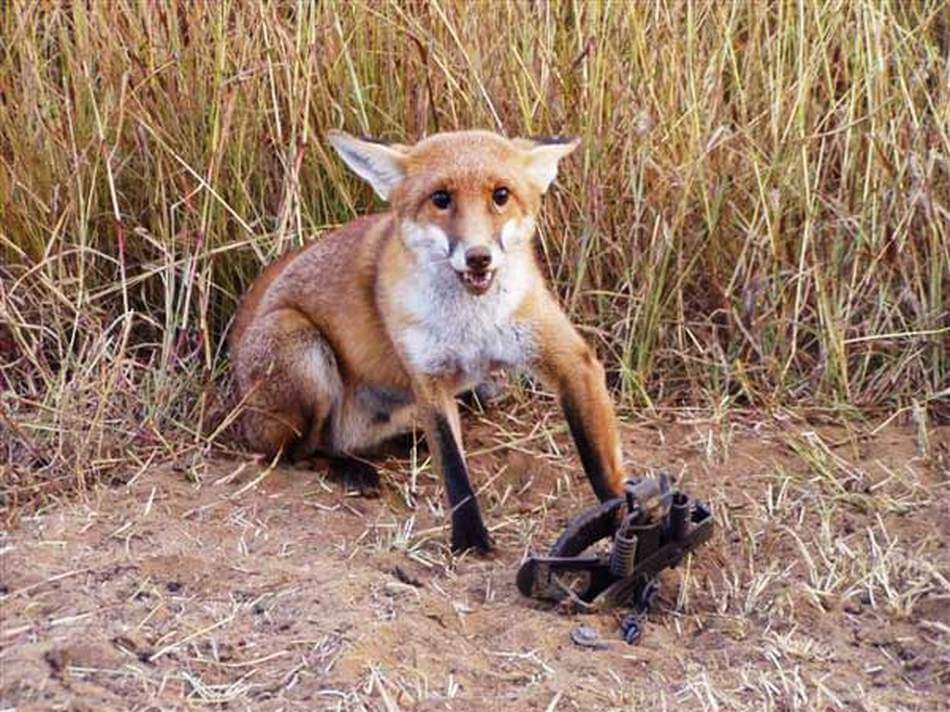
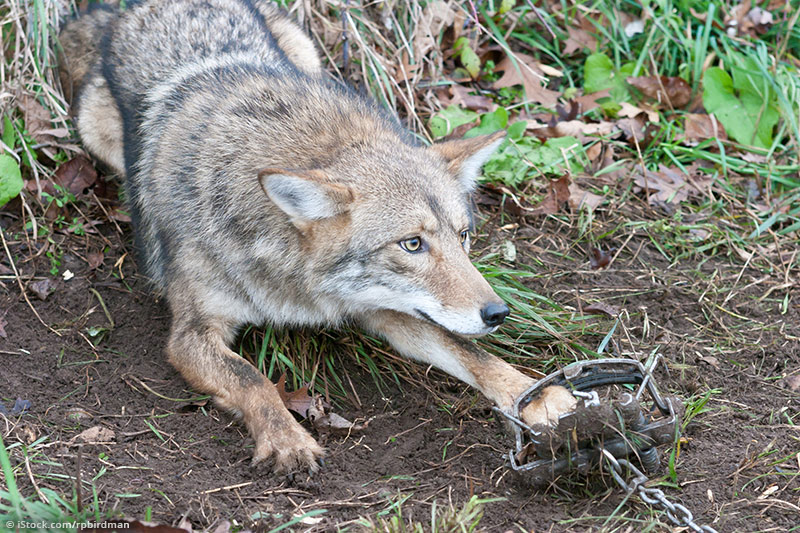
The steel-jaw trap is the most commonly employed kind of trap, while there are other varieties as well, such as snares, underwater traps, and Conibear traps. “Inhumane” is how the American Veterinary Medical Association describes these traps. The European Union and an increasing number of U.S. states, including Colorado, California, Florida, Rhode Island, New Jersey, Massachusetts, and Washington state, have outlawed this straightforward but inhumane technique. Steel-jaw traps cannot be used on public lands in Arizona.
The Conibear trap is an additional brutal trap that applies 90 pounds of pressure per square inch, crushing the necks of the animals. Animals in these traps might suffocate in three to eight minutes. Beavers and muskrats are among the animals that can take over nine excruciating minutes to perish in water-set traps. Pole traps are frequently utilized because many captured animals are mutilated by predators before the trappers return. One type of steel-jaw trap that is placed in a tree or on a pole is called a pole trap. When an animal is trapped in one of these traps, it is lifted into the air and left to hang by the appendage until it dies or the trapper comes to kill it.
Every year, dogs, cats, birds, and other animals, including endangered species, are crippled or killed by traps. Trappers call these animals “trash kills” because they have no economic value. Some states have regulations on how often trappers must check their traps, and the frequency with which trappers are required to check can vary from 24 hours to one week. Other states, however, have no regulations at all, and animals can suffer for days before they die.
Trapping is an integral part of the fur industry. The only way to ensure that you are not supporting this cruel practice is to refuse to buy any fur or fur-trimmed clothing. Sign PETA’s pledge to be fur-free today.
Pledge to Reject Fur!
Every decent human being will want to avoid fur when they find out that every year, millions of animals are trapped, beaten, hanged, gassed, or electrocuted for their fur; that every fur coat, every fur lining or trim, and every fur cat toy represents the extreme suffering of dozens of animals; and that furriers purposefully mislabel the fur of cats and dogs as faux fur or fur from other species.
For instance, coyotes are murdered so that their fur can be used to trim Canada Goose jackets. They can endure excruciating steel traps for as long as they like before being shot or killed by bludgeoning. Mothers who are so anxious to return to their puppies that they sometimes try to pull their own legs off in an attempt to get away. Though indiscriminate steel traps can catch and kill coyote moms before they reach their den, these wild dogs have a great deal of affection for their blind pups.
Pledge to reject fur!
Every fur coat, fur trinket, and fur trim was the product of immense misery and death,whether it originated from an animal raised on a fur farm or one that was trapped in a steel trap. I’m not in favor of the fur trade. I promise not to accept fur. Please sign petition here.
Learn about fur sellers:
- Urban Outfitters, Anthropologie, and Free People—all owned by Urban Outfitters Inc
- Louis Vuitton (Urge LVMH to Ban Fur From Its Brands Louis Vuitton, Fendi, Dior! Worldwide)
- Hermès
- H&M (Call on H&M to outlaw cashmere and mohair in support of goats!)
- H&M (Ducks Are Not Down-Producing Machines; They Are Individuals H&M)
- Canada’s Cruel Seal Slaughter
- Alex Furs (Toronto, Ontario, CANADA)
References:
PETA (People for the Ethical Treatment of Animals).
The Fur-Bearers.
The Humane Society International Canada/USA.
FOXHUNTING EVIDENCE UK.
 NOT YOUR FUR!